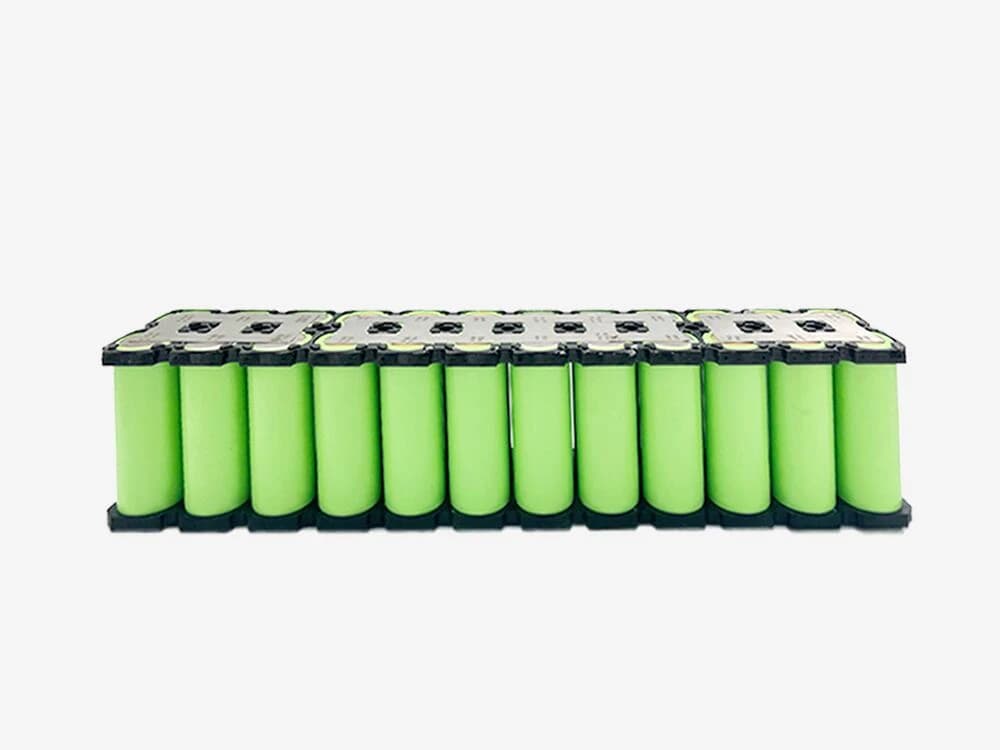
Which is Better? Li-ion Polymer vs Li Polymer for Portable Power Needs
Understanding the distinction between Li-ion polymer vs li polymer is essential for any engineer or product designer. You face a market saturated with various power solutions. Selecting the wrong one results in poor performance or safety risks. This guide clarifies the technical differences to help you make an informed decision for your portable electronics.
Understanding the Core Differences: Li-ion Polymer vs Li Polymer
Li-ion polymer vs li polymer often creates confusion. Many users treat them as separate technologies. In practice, both belong to the lithium-ion battery family.
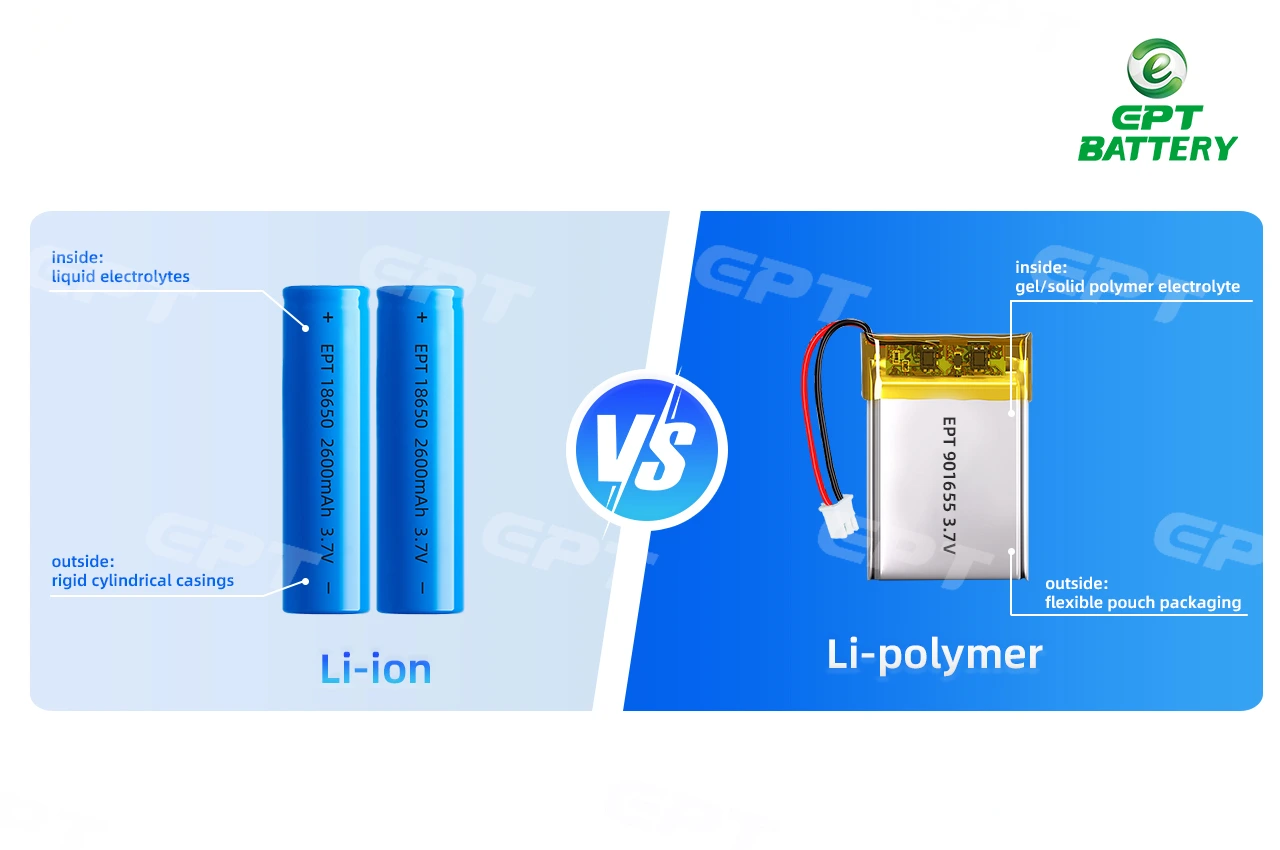
The key difference lies in construction. Lithium ion batteries typically use liquid electrolytes and rigid casings. Lithium polymer batteries use a gel-like or solid polymer electrolyte.
This shift allows flexible packaging. You can design thinner, lighter battery formats that fit compact devices.
In most modern applications, “Li-Po” refers to pouch-cell lithium-ion batteries. That means lithium ion polymer vs lithium ion is more about structure than chemistry.
You should focus less on naming and more on how the battery integrates into your product design.
Performance Comparison: Li Polymer Battery vs Lithium Ion Battery
Li polymer battery vs lithium ion battery decisions often come down to energy density and mechanical constraints, especially when evaluating lithium polymer battery solutions.
Lithium polymer batteries offer strong energy density in compact spaces,as explained in RC car battery performance guide. They perform well in devices that demand slim profiles. Think wearables, mobile devices, and compact robotics.
Lithium-ion batteries, especially cylindrical types, provide structural stability. They handle mechanical stress better and often cost less at scale.
Key performance considerations:
l Energy density: Polymer excels in limited volume
l Discharge rate: Both support high output, but polymer designs often target high-rate applications
l Cycle life: Comparable, with Li-ion slightly stronger in deep discharge scenarios
You should evaluate whether your priority is compact design or structural robustness.
Safety and Durability: Lithium Polymer vs Lithium Ion
Safety drives most lithium polymer vs lithium ion decisions. You need predictable behavior under stress.
Lithium polymer batteries reduce leakage risk. Their gel-based electrolyte remains stable even if the outer layer is compromised.
Lithium-ion batteries rely on liquid electrolytes. While safe under proper management, they carry a higher leakage risk if damaged.
Thermal stability also differs. Polymer batteries distribute heat more evenly across the pouch structure. This reduces localized hotspots.
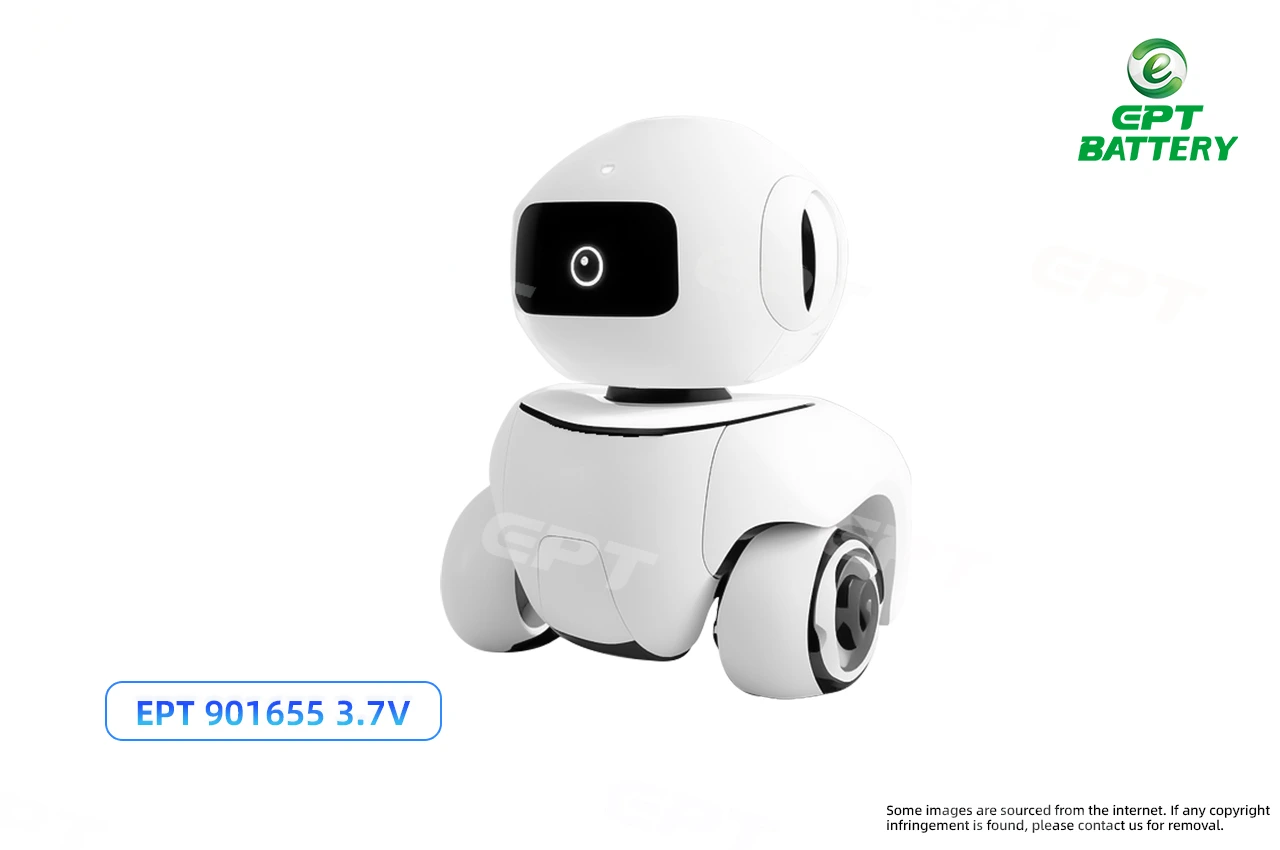
EPT invests in battery safety engineering, including thermal control and protective circuit integration. 3.7V 901655 Mobile Robot Polymer Lithium-Ion Battery demonstrates this approach. It offers stable discharge, strong safety performance, and consistent output in dynamic robotic environments.
If your application involves movement, vibration, or tight enclosures, safety design becomes critical.
Application Guide: Lithium Polymer Battery vs Ion
Lithium polymer battery vs ion selection depends on how and where you use the battery.
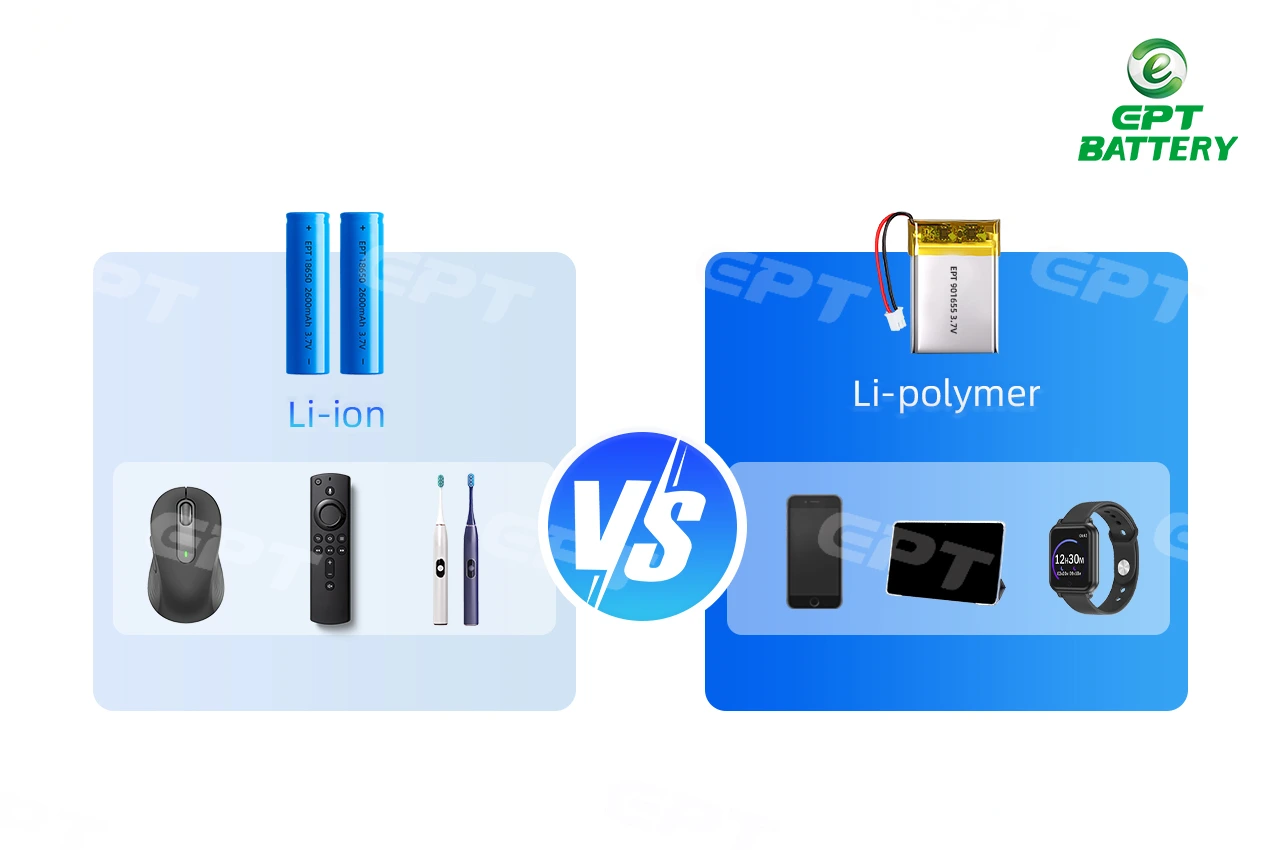
For compact electronics, polymer batteries dominate. Their flexible form factors fit into slim and irregular designs.
Typical Li-polymer applications include:
· Wearables such as smartwatches
· GPS devices and mobile payment terminals
· Consumer robots and drones
Lithium-ion batteries remain common in:
· Power tools
· Backup energy systems
· Larger industrial equipment
You may also need unconventional battery shapes. Polymer cells support curved, ultra-thin, or custom geometries. This flexibility enables product differentiation.
If your product operates in extreme conditions, you must factor temperature tolerance into your battery choice.
Technical Comparison Table: Lithium Ion Battery vs Polymer
If your design requires compact size and lightweight structure, polymer is often the better option. If cost and durability dominate, lithium-ion may fit better.
Li-ion vs li polymer decisions should reflect real application needs, not just specifications.
You must evaluate space constraints, safety requirements, and performance expectations.
Lithium polymer batteries enable modern, compact designs. Lithium-ion batteries support cost-efficient and rugged systems.
EPT battery provides tailored battery solutions for both formats. You can optimize capacity, discharge rate, and form factor for your specific application.
If you are designing next-generation devices or scaling production, selecting the right battery architecture will directly impact product reliability and user experience.
Related News